

High-performance IoT solutions
From condition monitoring to end-to-end traceability, our engineered IoT solutions deliver faster decisions, fewer manual steps and cleaner analytics across plants, warehouses and supply chains.
What is Internet of Things?
The Internet of Things connects devices such as sensors, gateways, vehicles and production equipment so they can capture events and share status automatically. A typical IoT stack combines rugged edge devices, resilient connectivity, edge processing, security controls and an integration layer that publishes clean events into your operational platforms. We design and deploy the complete solution, then keep it running at scale.
Why IoT is so effective in supply chains and operations?
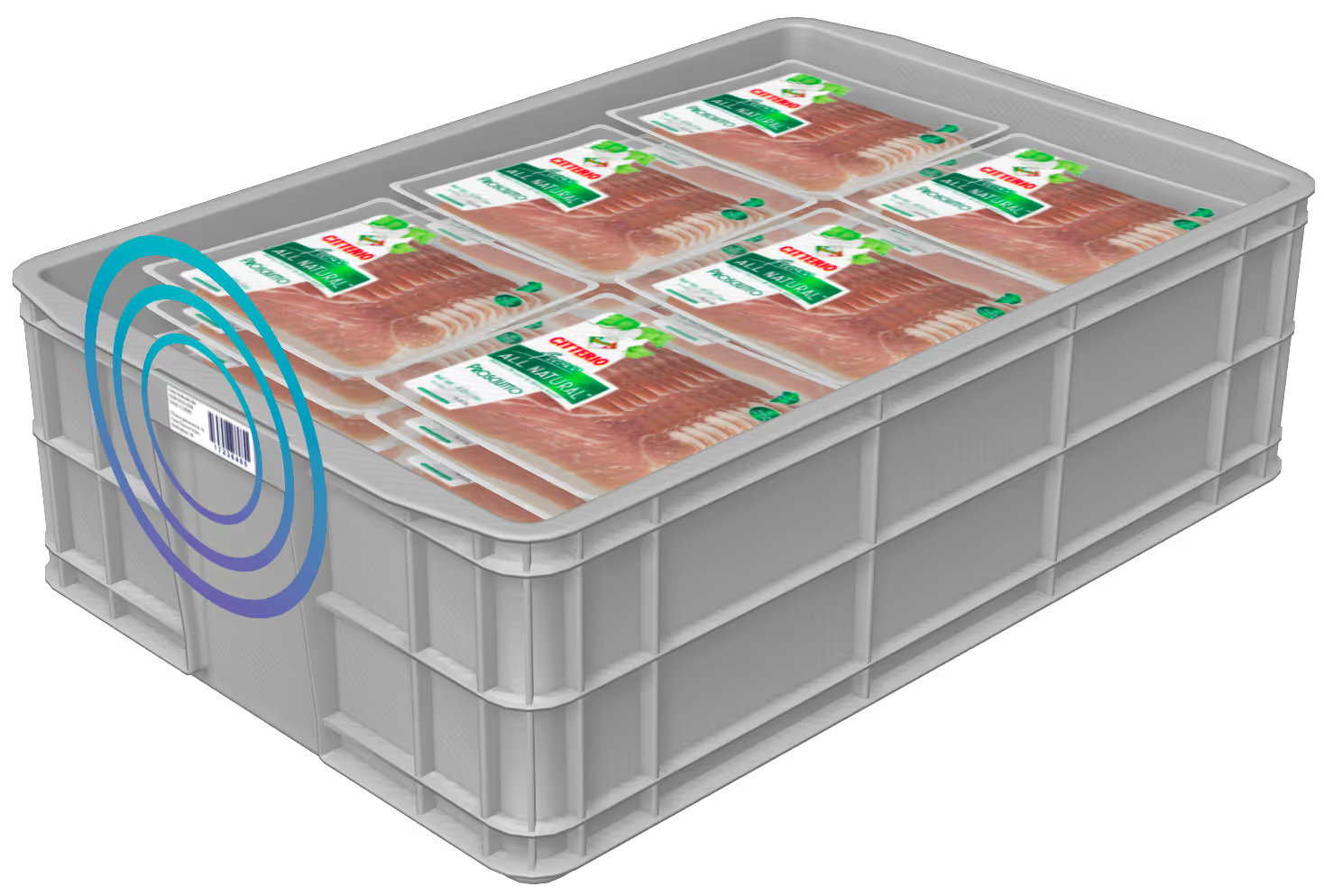
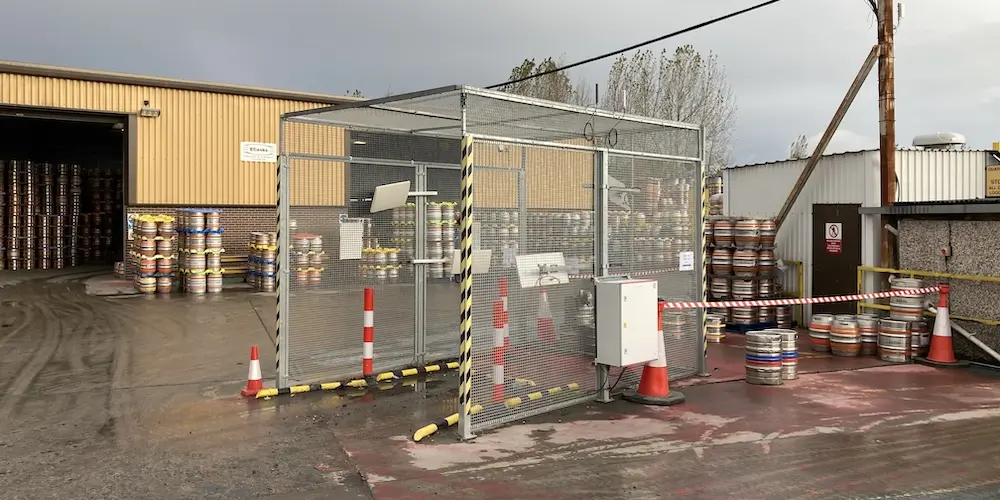
Operations suffer when information lags behind reality. Manual checks, clipboard data and late updates create inaccuracies, expediting and write-offs. IoT instruments the flow of goods, equipment and environments so you see what is happening now. Temperature breaches trigger alerts before a load is spoiled. Machine vibration trends prompt timely maintenance. Pallets report arrival without manual scans. The result is live visibility that reduces waste, cuts downtime and improves fulfilment speed.
Key benefits of IoT ...
Real-time visibility
Live, trusted data on inventory, assets, equipment and environment to accelerate decisions and eliminate blind spots.
Predictive maintenance
Condition-based monitoring reduces unplanned downtime and extends equipment life by acting before failure.

Quality and compliance
Continuous logging creates auditable trails for safety, cold chain integrity and regulatory reporting.

Lean operations
Automated events remove manual checks, shorten cycle times and free people for higher-value work.
Sustainability impact
Better asset utilisation, reduced scrap and fewer expedites lower waste and emissions across the operation.
Industries we power ...
Wherever visibility, traceability, and control matter, we deliver impact.
Coriel Solutions partners with organisations across multiple sectors to solve complex track-and-trace challenges, from asset lifecycle management to live operational intelligence. While we highlight key industries where we have deep experience, our expertise is not limited to those industries. If your operation depends on knowing where assets are, how they move, and how they perform, we build the ecosystem to enable it.
Pharmaceutical supply chain
Returnable transport items
Food and beverage
Passenger & freight rail
Industrial manufacturing
Retail
Learn more by listening to our podcast...

The Podcast from Coriel Solutions
Now on season two, RFID Unlocked is a Podcast produced by the Coriel Solutions team, where we chat with customers, partners and industry specialists about everything RFID. Click the link below to listen to our previous episodes and subscribe to ensure you never miss the next!

Internet of Things FAQs
What is the difference between IoT and traditional telemetry?
IoT combines modern sensors, secure connectivity and edge processing with standard data models so events flow directly into operational systems rather than isolated dashboards.
How do I start without a large capital project?
Begin with one high-value use case such as cold chain integrity or a critical machine line. Prove accuracy and ROI, then scale using the same architecture and device management.
Can IoT work reliably in harsh industrial environments?
Yes. We specify industrial-grade sensors and housings, use appropriate antennas and power options, and validate read and signal performance in situ before scaling.
How do you integrate IoT data with WMS, TMS, MES or ERP?
Our middleware (corielTHINGS) publishes clean, normalised events via standard interfaces so existing transactions update automatically without custom point-to-point code.
What about security and privacy?
Devices are identity-managed, communications are encrypted and access is role-based. We minimise personal data, segment networks and audit changes as standard practice.
Can you combine IoT with RFID and barcodes?
Yes. We frequently pair sensors with identification so each reading is linked to a unique item or asset. This delivers stronger traceability and better analytics.